Full problem statements, activities, and how ECI addresses each one — with a clear status so supporters know where their contribution will make a difference.
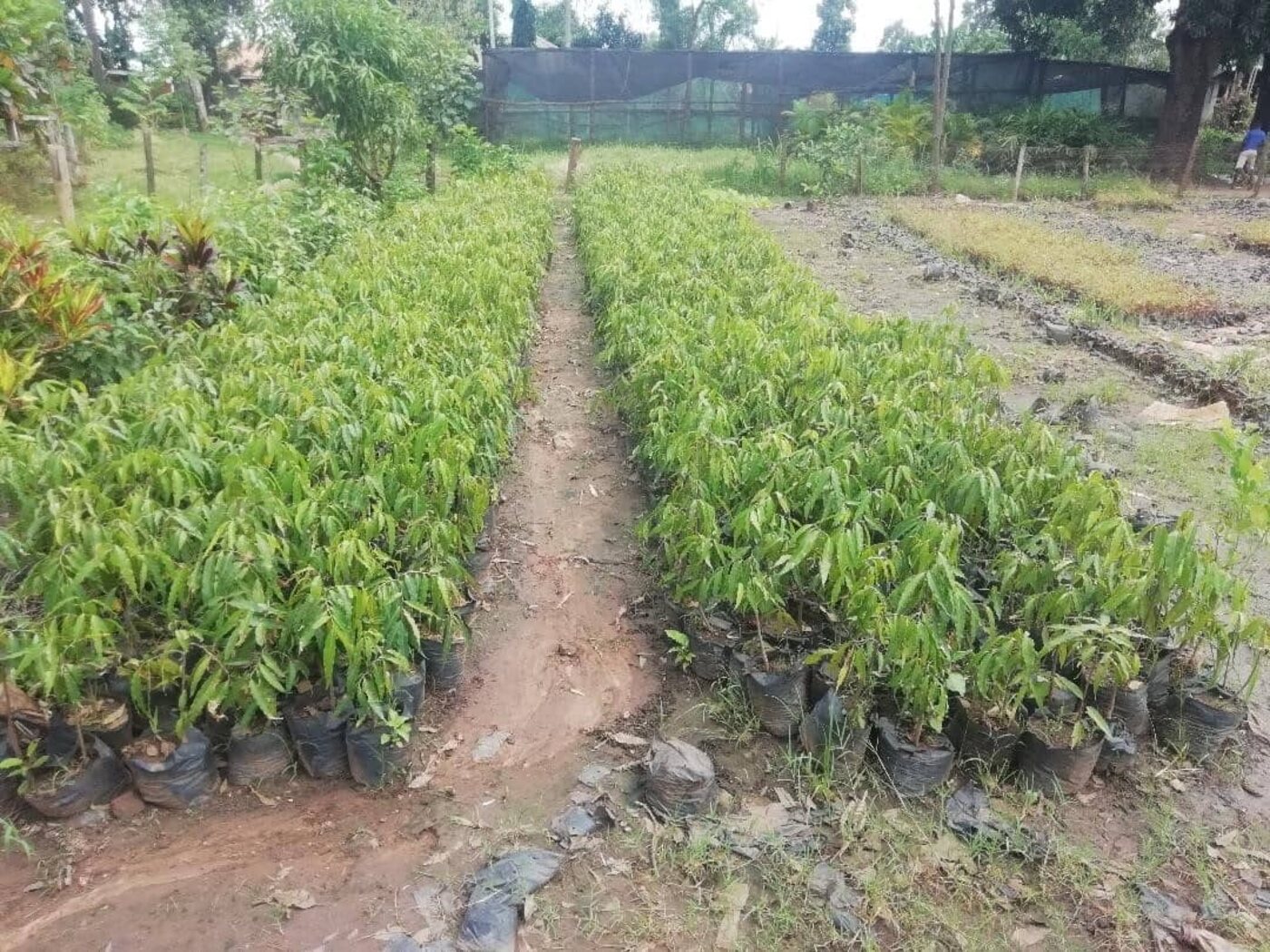
Charcoal production and land clearing have stripped tree cover from large parts of Northern Uganda, degrading soil, reducing rainfall retention, and leaving communities with fewer natural resources to fall back on. Without a source of income to replace charcoal production, families have little reason to stop cutting trees.
ECI raises tree seedlings at its Lira nursery and distributes them for planting across participating communities. Trees are selected both for ecological restoration and for future commercial value, so communities have a reason to protect what they plant rather than clear it again.
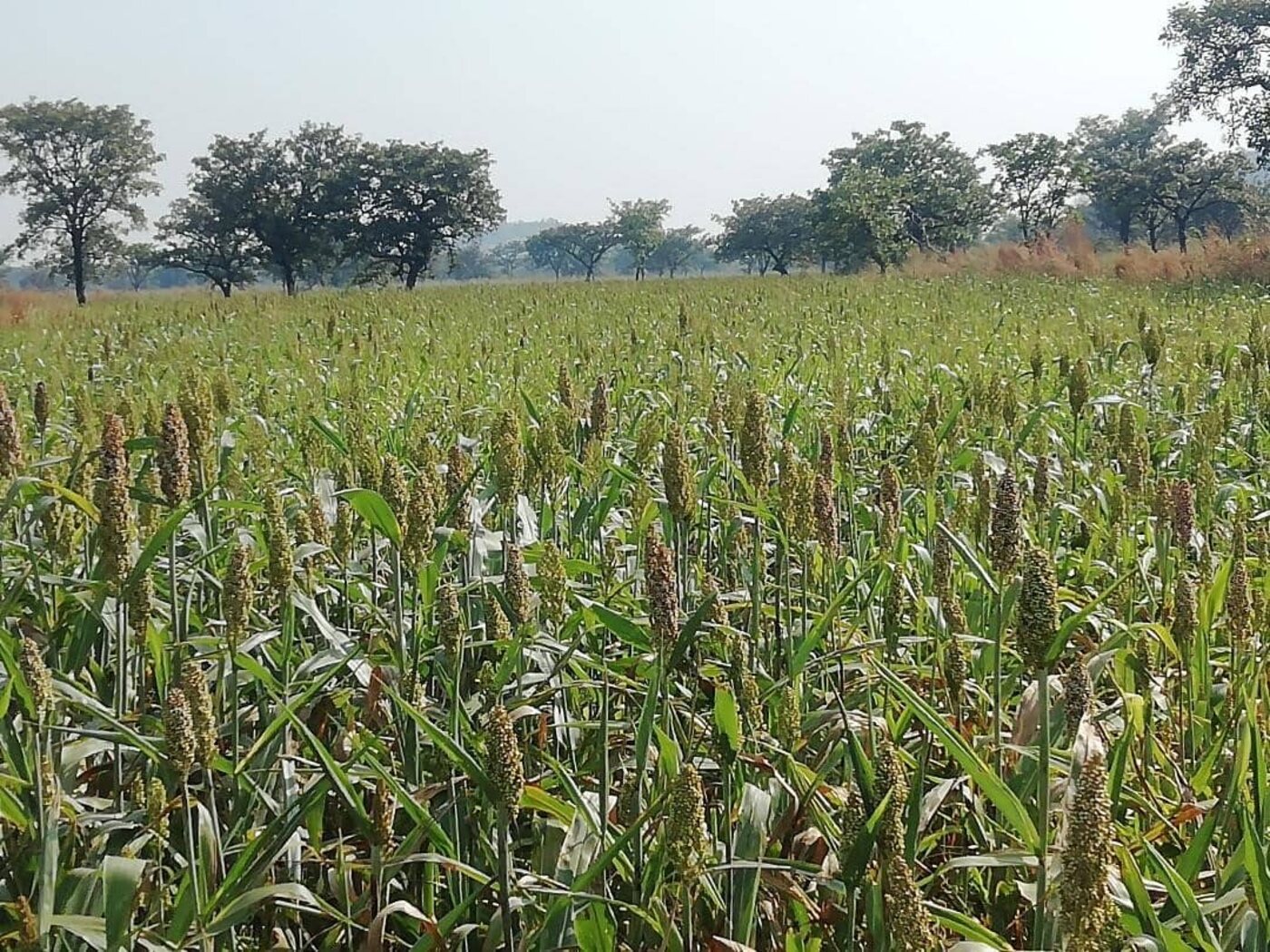
Conventional farming without rest or rotation has degraded soil health across Agago and Lira, leading to declining yields and unreliable harvests. Farmers often lack access to quality seeds, tools, and modern techniques that could ease this pressure.
ECI supports farming households with seeds, cuttings, and tools alongside practical guidance on combining trees with crops. This keeps soil healthier for longer, diversifies what a household can harvest, and reduces the need to clear new land each season.
Many households in Agago and Lira have limited, inconsistent sources of income and uneven access to nutritious food, making it difficult to cover school fees, medical expenses, and everyday household needs.
ECI proposes to distribute fruit tree seedlings and support households through planting and early care, so families gain both a nutrition source and a income stream — intended to help cover school fees, medical costs, and clothing.
Communities in Agago and Lira have limited access to practical training on conservation, soil health, and sustainable farm planning, which makes it harder for good practices to spread and take hold beyond a single household.
ECI proposes to organize regular learning sessions that bring farmers, instructors, staff, and local leaders together to share practical knowledge, so environmental care becomes an everyday practice rather than a one-time intervention.
Households across Agago and Lira lost significant livestock and other income sources during more than twenty years of regional conflict, and many continue to struggle to rebuild food security and income — especially women, youth, and persons with disabilities.
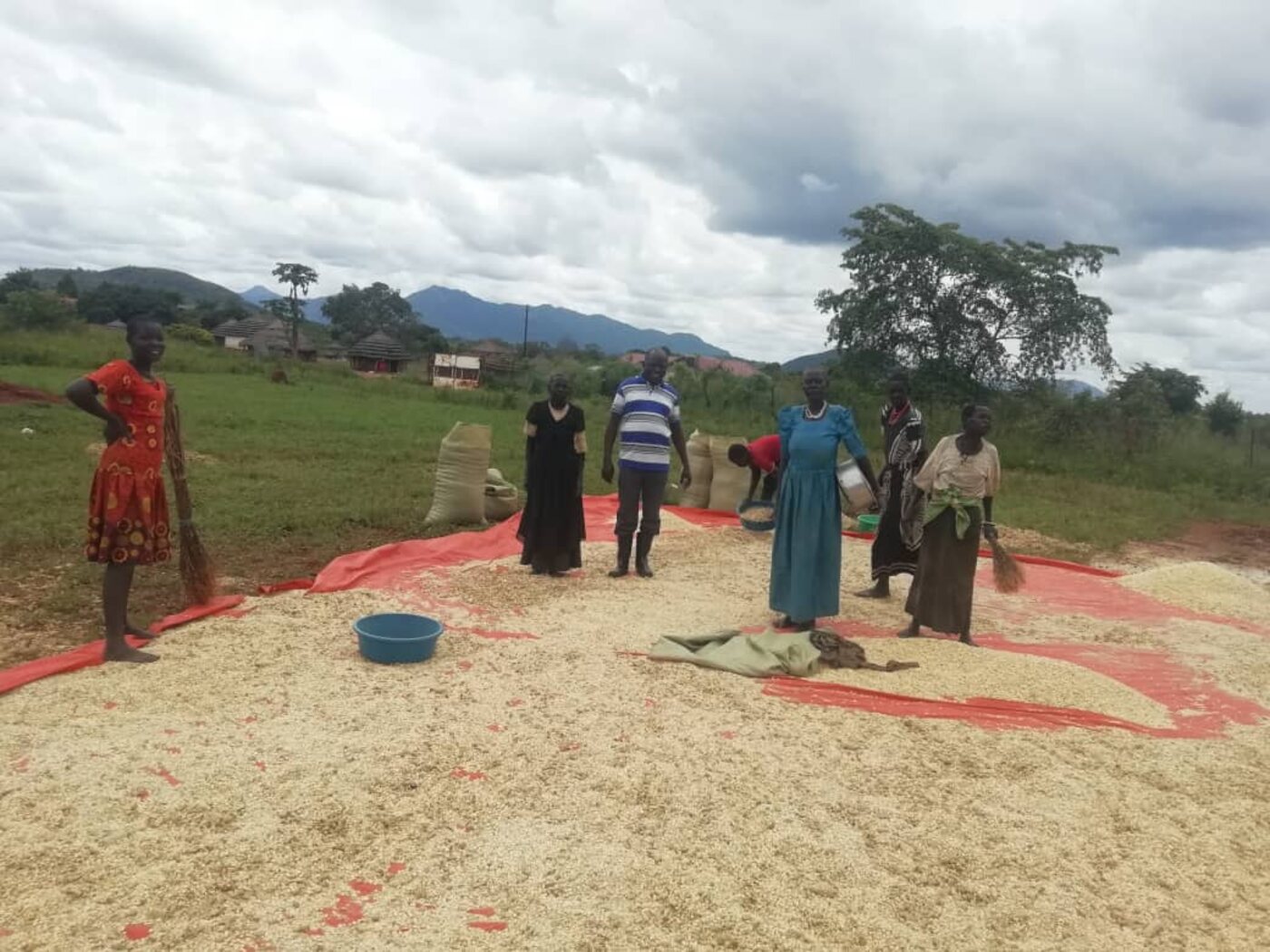
ECI supports confirmed community harvest and post-harvest activity today, and is developing a livestock support component that would prioritize the households hit hardest by decades of conflict and loss.
Unmanaged waste is a growing problem in trading centers and towns across Agago and Lira as populations increase, with no organized collection, composting, or recycling system in place.
ECI proposes to coordinate waste collection and recycling initiatives with local trading centers and government partners, reducing environmental harm from unmanaged waste while keeping towns cleaner for residents and traders alike.
There is limited local data and advocacy on environmental degradation and rural livelihoods in Northern Uganda, which makes it harder for communities and local government to make evidence-based decisions.
ECI proposes to document outcomes from its own programs and use that evidence to engage local government and partners on stronger environmental policy, extending ECI's impact beyond its direct program areas under its countrywide operating permit.